Case History: Feasibility Study for Modular Chair Production in China
Feasibility Study for Modular Chair Production in China – Aluminum Die Casting, Injection Molding & Wood Options
When a European furniture brand approached DG NARD1 with a request to evaluate the feasibility of producing a new modular, flat-pack chair in China, the challenge went far beyond simple cost estimation. The product had to balance design integrity, industrial scalability, logistics efficiency, and multiple material options — all while meeting European quality and safety standards.
Here’s how we structured the project, analyzed technical trade-offs, and delivered a clear, data-driven production roadmap.
The Project Brief
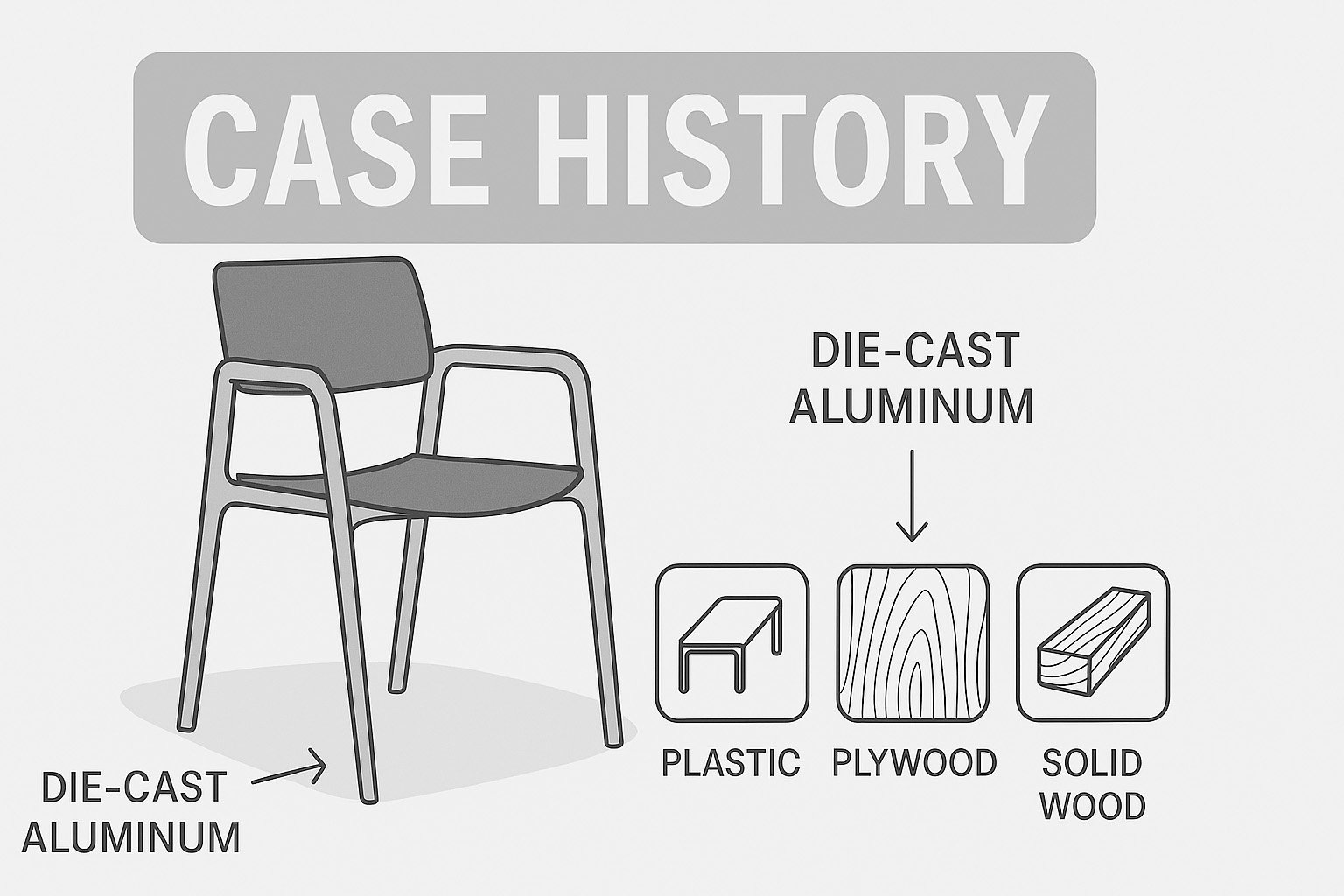
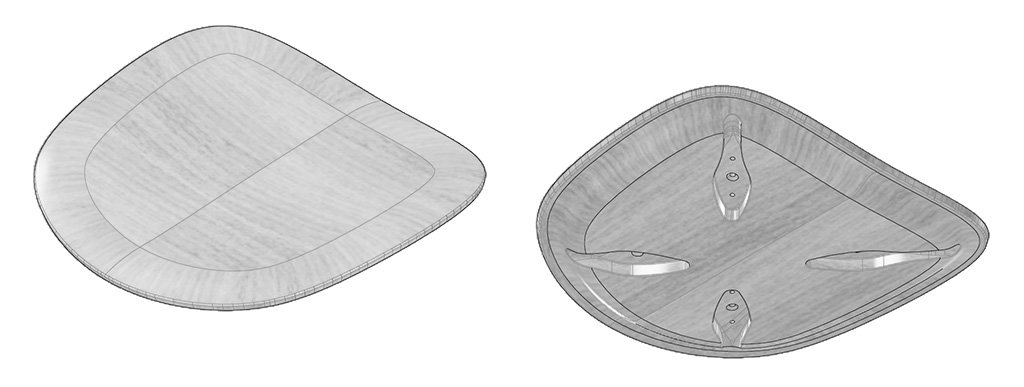
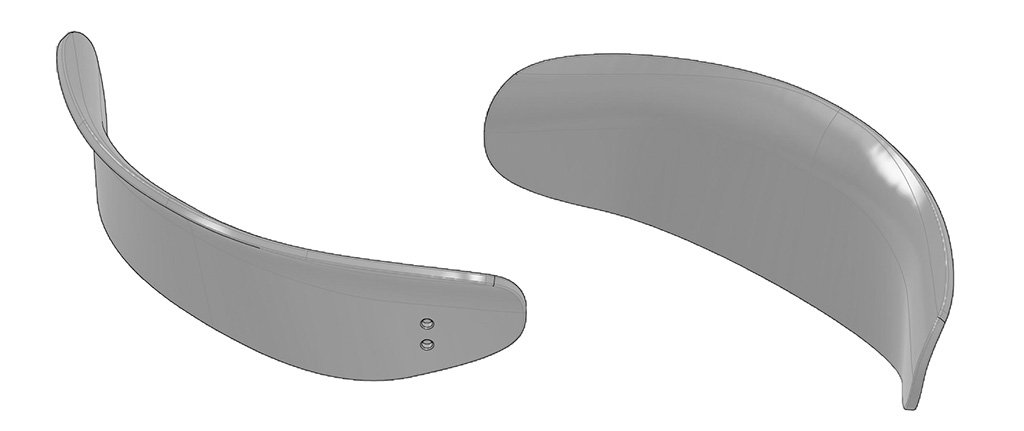
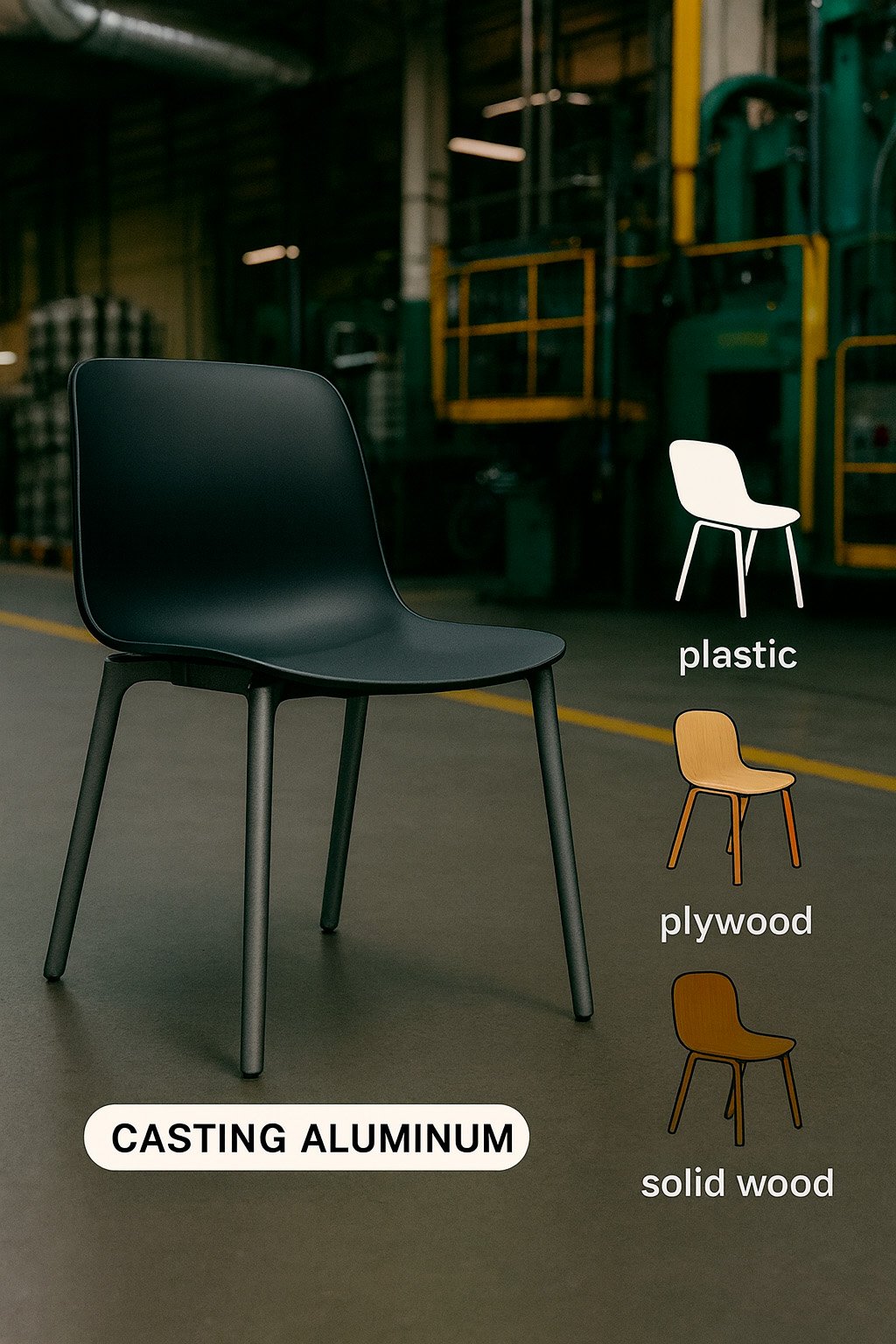
The client provided complete 2D/3D technical documentation for a disassemblable chair designed for express shipping (hence minimal packaging volume). The product featured three distinct material configurations:
- Seat & Backrest Options:
- Version A: Plastic (injection molded)
- Version B: Plywood
- Version C: Solid wood (beech or oak)
- Leg Options:
- Version X: Aluminum die-cast legs (option with bottom plate)
- Version Y: Aluminum die-cast legs (option without bottom plate)
This meant 6 possible product combinations – each requiring different supply chains, tooling investments, and quality controls.
Key constraints:
- Final assembly by the end customer
- Packaging must fit within standard courier size/weight limits
- All materials compliant with EU regulations (REACH, EN 1728 for furniture safety)
- MOQ flexibility for a brand entering a new product category
Our Feasibility Approach
We didn’t just quote prices. We conducted a cross-functional technical review with our internal engineering team and pre-vetted Chinese suppliers specializing in:
- Aluminum high-pressure die casting (HPDC)
- Plastic injection molding (PP, ABS, or reinforced polymers)
- Wood processing (plywood lamination, solid wood CNC, finishing)
1. Design for Assembly & Logistics (DfA/DfL)
We analyzed the disassembly logic and proposed minor design optimizations to:
- Reduce part count
- Eliminate custom fasteners (use standardized hardware available in EU)
- Maximize nesting efficiency in packaging
Result: 30% reduction in package volume vs. initial concept.

2. Material & Process Evaluation
Seat/Back
- Plastic:
Lower tooling cost, high repeatability, lightweight ideal for high-volume
- Plywood:
Sustainable appeal, moderate cost, requires moisture control in production
- Solid wood:
Premium feel, higher cost, longer lead times, batch-to-batch variation
Legs
- Die-casting Aluminum:
High strength-to-weight, excellent for complex geometries, recyclable
- Finishing:
Powder coating adds durability but increases cost vs. anodizing
3. Tooling & Production Cost Modeling
We provided a transparent breakdown for each configuration (MOQ: 1,000–5,000 units), including:
- Die casting mold cost (2–4 cavities, H13 steel)
- Plastic injection mold cost (family mold vs. separate molds)
- Wood jig/tooling for cutting & shaping
- Unit production cost (ex-works China)
- Estimated landed cost in EU (including packaging & ocean/air freight)
- Dimensional checks (CMM for metal parts)
- Load testing per EN 1728
- Surface finish validation (roughness, coating adhesion)
Outcome & Client Value
We delivered a comprehensive feasibility report with:
- Technical risk assessment for each material combo
- 3 pricing tiers (entry, mid, premium) based on finish and tolerances
- Lead time estimates (from tooling to first batch)
- Supplier shortlist with audit summaries
The client used this analysis to:
- Select the plastic + die-casting aluminum version for initial launch (optimal cost/logistics balance)
- Plan a solid wood premium line for Phase 2
- Negotiate with confidence, knowing hidden costs were already accounted for
Thanks to early engineering involvement, the client avoided common pitfalls:
- Over-engineered tooling
- Packaging that didn’t fit courier specs
- Compliance gaps in material sourcing
Why This Approach Matters
Many companies treat China outsourcing as a “quote request.” But for complex, multi-material products like furniture, success starts with feasibility — not just pricing.
At DG NARD1, we act as your technical extension in China, ensuring that every design decision is validated for:
- Manufacturability
- Cost efficiency
- Regulatory compliance
- End-user experience
Are You Developing a Multi-Material Product?
If you’re designing a product that combines metal, plastic, and wood – and need a realistic assessment of production feasibility in China — we can help.
Contact our engineering team today for a confidential consultation on your next project.