LSR Quality Control in China
LSR Quality Control in China: How to Ensure Compliance for Medical, Automotive & Food-Grade Applications
In the world of Liquid Silicone Rubber (LSR) injection molding, quality isn’t optional it’s non-negotiable.
Whether it’s a valve for a medical device, a seal for an electric motor, or a baby bottle nipple, even a microscopic defect can have serious consequences—product recalls, legal liability, or irreversible brand damage.
For European and global companies choosing to industrialize LSR components in China, the real question isn’t “Can I trust Chinese manufacturing?”
It’s: “How can I guarantee that every part meets European standards and my industry’s specific requirements?”
The answer lies in a structured, engineering-driven, prevention-based quality control system not just end-of-line inspection. This is exactly how DG NARD1 Service Limited ensures quality for our clients.
Why LSR Quality Control Requires a Specialized Approach
Liquid silicone is an exceptional material but it comes with unique challenges:
- It’s highly sensitive to cross-contamination (e.g., from thermoplastics, oils, or dust).
- Incomplete vulcanization can cause surface tackiness or dimensional instability.
- Tight dimensional tolerances are common, especially in medical or automotive applications.
- Material traceability is mandatory in regulated sectors (e.g., ISO 13485, FDA 21 CFR).
Effective quality control must therefore go far beyond “checking if the part looks good.” It must be embedded at every stage from raw material to final shipment.
Our LSR Quality Control Framework: 4 Critical Phases
1. Raw Material Qualification
Before a single drop of LSR enters the mold, we verify:
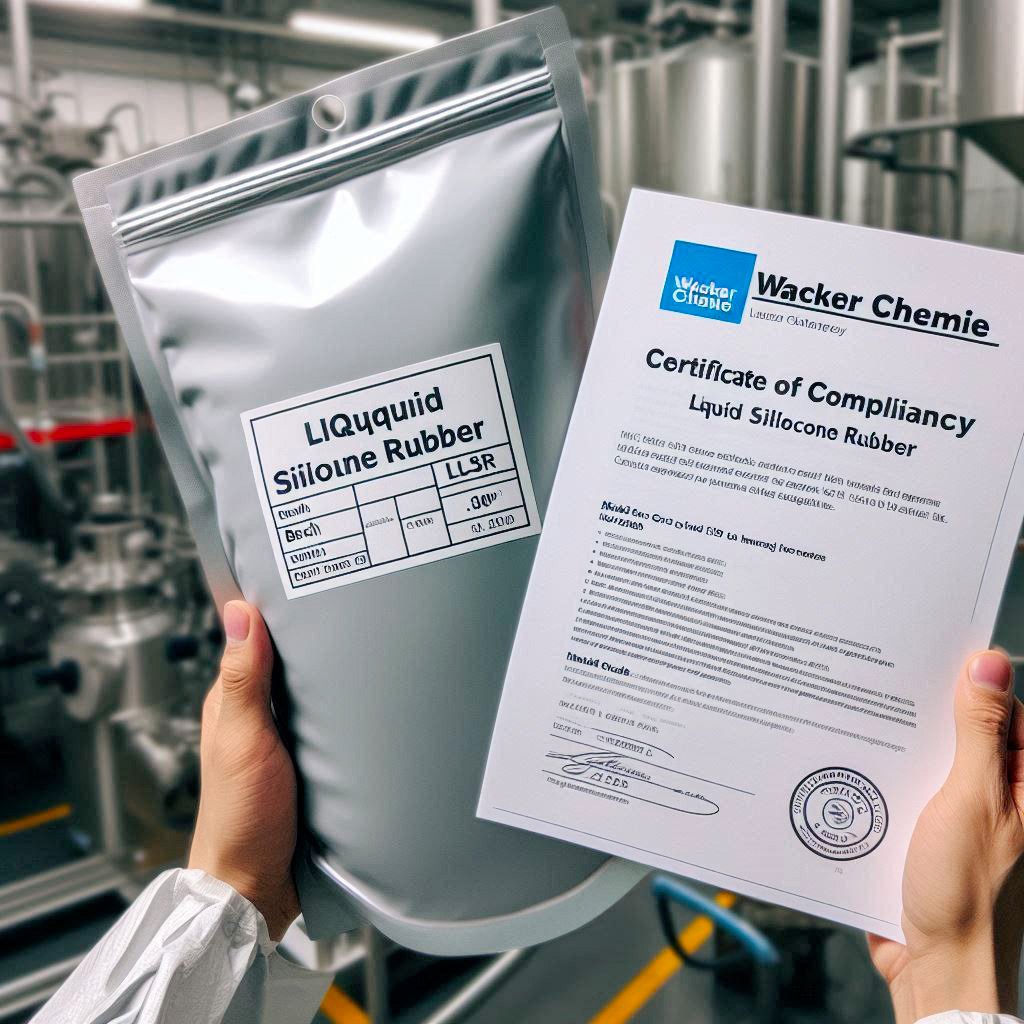
- Manufacturer certificates (e.g., Wacker, Momentive, Shin-Etsu) with batch-specific documentation.
- Compliance with required grade (medical ISO 10993, food-grade FDA 21 CFR 177.2600, automotive UL/ISO).
- On-site visual checks and viscosity tests (if requested by the client).
No material enters production without full traceability.
2. Mold & Process Validation (T0/T1/T2 Sampling)
During sampling, we don’t just ship prototypes. We perform:
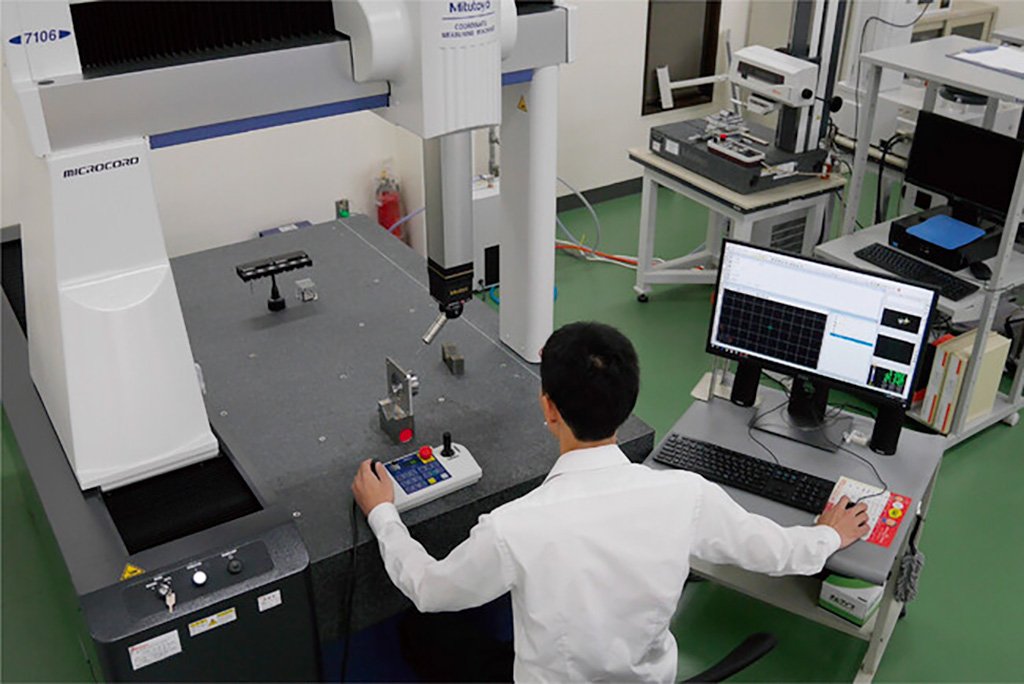
- Full dimensional inspection using CMM (Coordinate Measuring Machine) or 3D scanning.
- Surface quality checks (no flash, weld lines, or porosity).
- Functional testing (e.g., sealing performance, Shore A hardness, tensile strength).
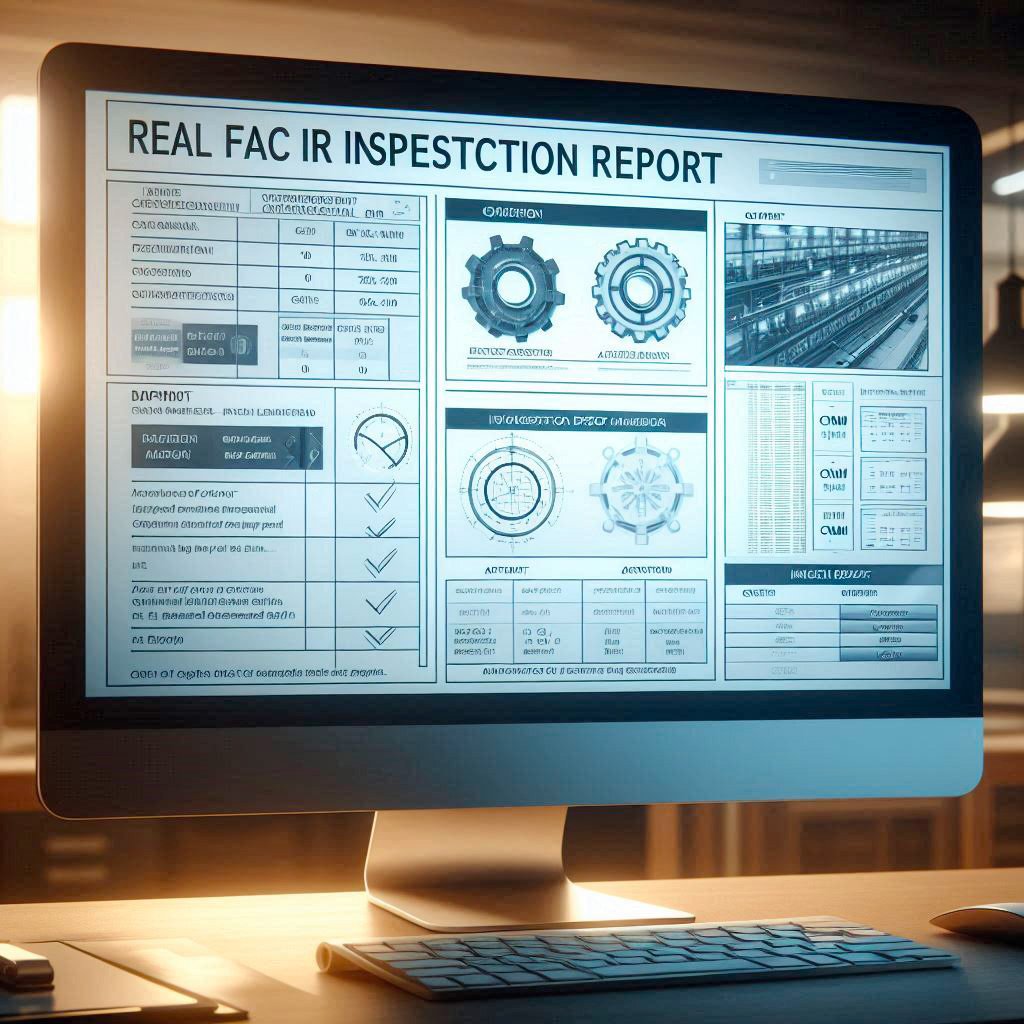
- FAIR (First Article Inspection Report) compliant with PPAP standards for automotive clients.
This phase is critical: an unstable process today guarantees defects tomorrow.
3. In-Process Monitoring During Series Production
During mass production, our on-the-ground engineers:
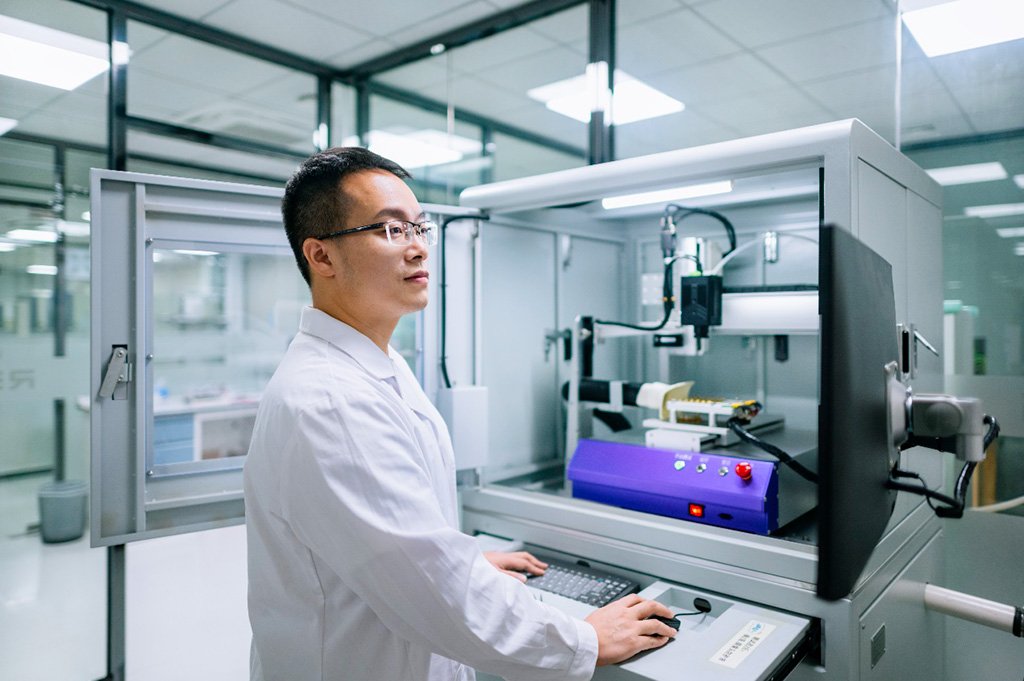
- Monitor key process parameters: mold temperature, injection pressure, cure time.
- Conduct hourly sample inspections using client-specific checklists.
- Verify production environment cleanliness, especially for medical applications (ISO Class 8 cleanroom when required).
- Log every batch with a unique traceability code.
4. Audits & Continuous Improvement
For long-term projects, we don’t stop at delivery. We:
- Conduct periodic supplier audits.
- Analyze quality data to detect trends or deviations.
- Optimize the process based on client feedback and field performance.
Industry – Specific Requirements: What Changes in Quality Control?
Medical (ISO 13485 / FDA)
- Dedicated, segregated production areas.
- Full lot traceability to the finished component.
- Biological testing and cytotoxicity reports (when required).
Automotive (IATF 16949 / PPAP)
- Client-approved control plans.
- Process capability studies (Cp/Cpk ≥ 1.33).
- Rigorous non-conformance management (8D reports).

Food & Baby Care (EN 14350, FDA)
- Phthalate-free, non-toxic certified materials.
- Food-contact-compliant packaging.
- Migration testing (if required by regulation or client).
The Real Advantage Isn’t Cost – It’s Predictability
Many companies fear that producing LSR in China means “rolling the dice on quality.”
The truth is different: China has highly capable LSR manufacturers, but success depends entirely on who manages your project.
Without an on-the-ground technical partner, even the best supplier can deliver non-conforming parts due to:
- Misinterpreted technical specifications
- Lack of supervision during T1 sampling
- Absence of shared quality standards
DG NARD1 eliminates these risks by acting as your extension of quality engineering in China. We don’t just “inspect” we design, validate, and guarantee a robust process from start to finish.
Conclusion: LSR Quality Is Built – Not Inspected
Outsourcing LSR production to China doesn’t mean giving up control. It means moving quality control upstream, where it has the greatest impact.
With an engineering-led approach based on prevention, traceability, and direct technical communication, you can achieve:
- Consistent quality equal to or better than European standards
- Lower tooling and production costs
- Faster time-to-market
- Guaranteed compliance with your industry’s regulations
At DG NARD1 Service Limited, we do this every day for European companies in the most demanding sectors.
Do you have an LSR component ready for industrialization?
Send us your technical drawing or specification: within 48 hours, we’ll provide a feasibility assessment, cost estimate, and a customized quality control plan.
Contact our engineering team today for a confidential consultation on your next project.