Plastic Product Development in China | From Idea to Mass Production
From Idea to Mass Production: Developing a Plastic Product in China
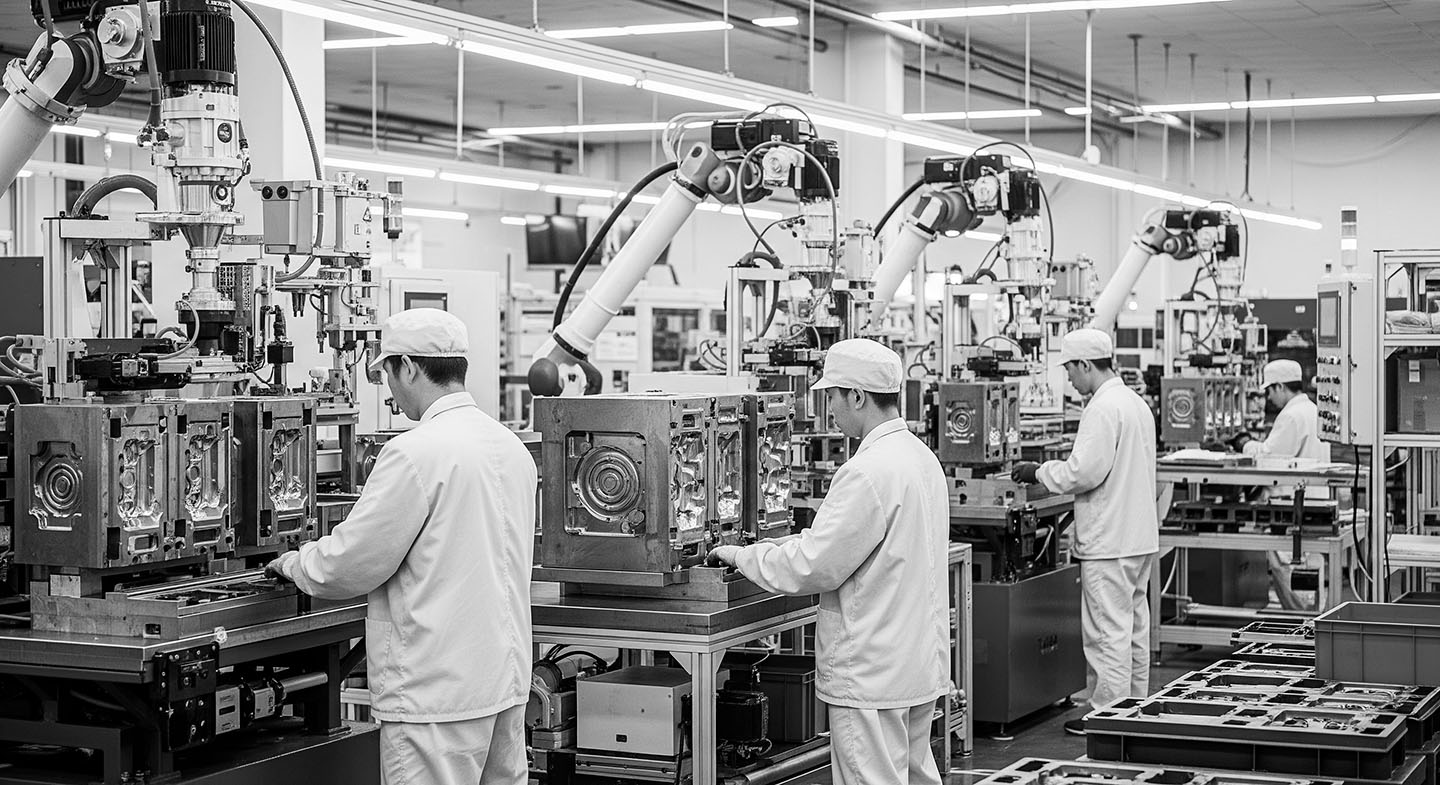
Developing a new plastic product can be a complex process, especially when production is planned overseas. China remains one of the most important manufacturing hubs for plastic injection molding, offering competitive costs, advanced production capacity, and a vast supplier network.
However, transforming an idea into a reliable mass-produced component requires careful planning, technical expertise, and strict quality control.
This article explains the main steps involved in developing a plastic product with a Chinese manufacturing partner.
1. Product Concept and Technical Definition – Developing a Plastic Product in China
Every successful project starts with a clear definition of the product.
At this stage, companies should focus on:
- functional requirements
- material selection
- expected mechanical performance
- aesthetic requirements
- production volume targets
Many problems in mass production originate from insufficient technical definition during the early stages of development.
Working with engineers experienced in plastic injection molding helps avoid common design issues such as:
- incorrect wall thickness
- insufficient draft angles
- weak structural areas
- unsuitable materials for injection molding
A well-prepared 3D model is essential before moving forward.
2. Design for Manufacturing (DFM)
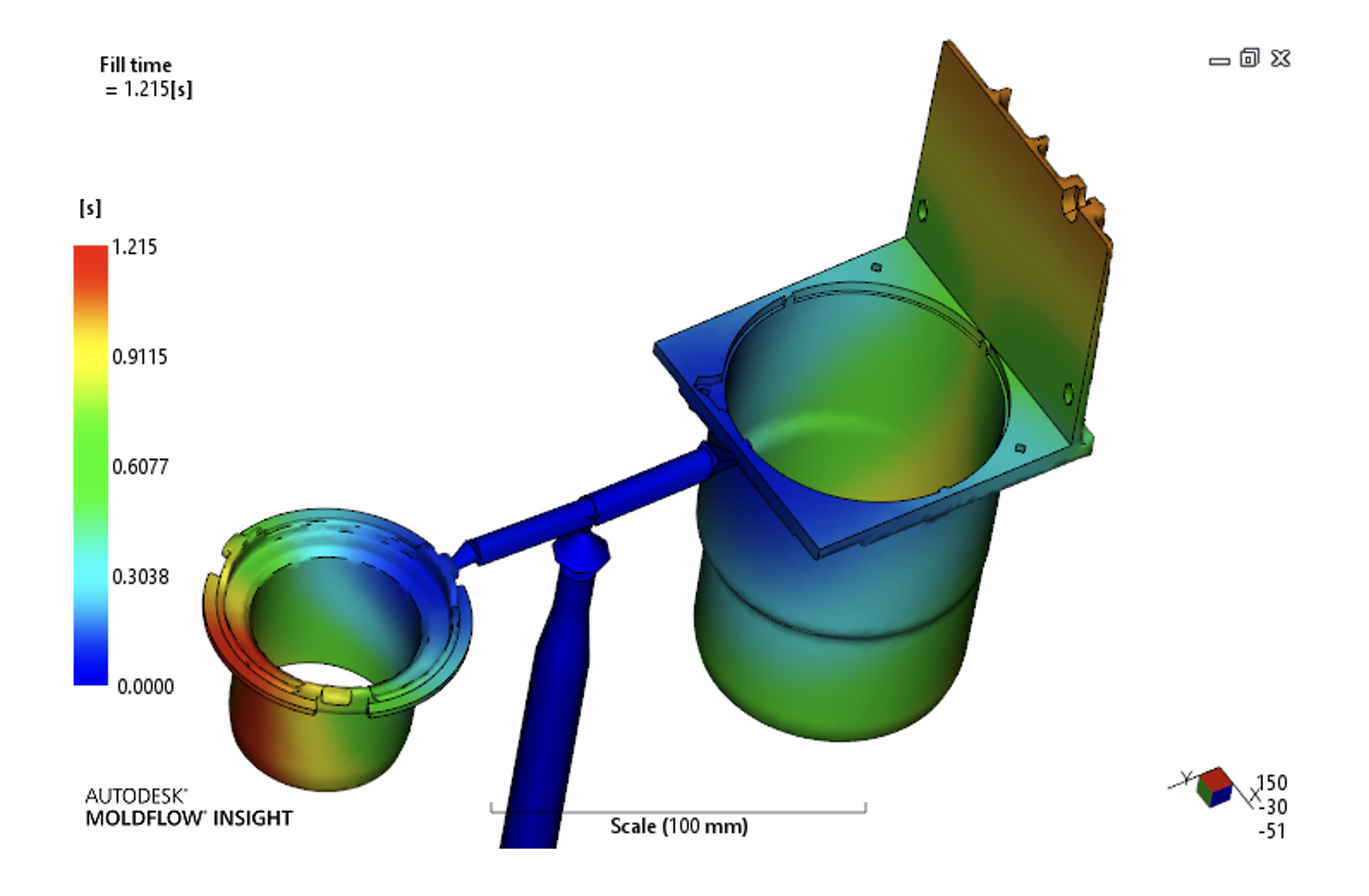
Before building the mold, the product design should always go through a Design for Manufacturing (DFM) review.
This phase evaluates whether the component can be produced efficiently using injection molding.
Typical aspects analyzed during DFM include:
- wall thickness consistency
- gate location
- cooling strategy
- shrinkage considerations
- part deformation risks
- mold complexity
A proper DFM review significantly reduces risks and avoids costly mold modifications later.
3. Prototype Development
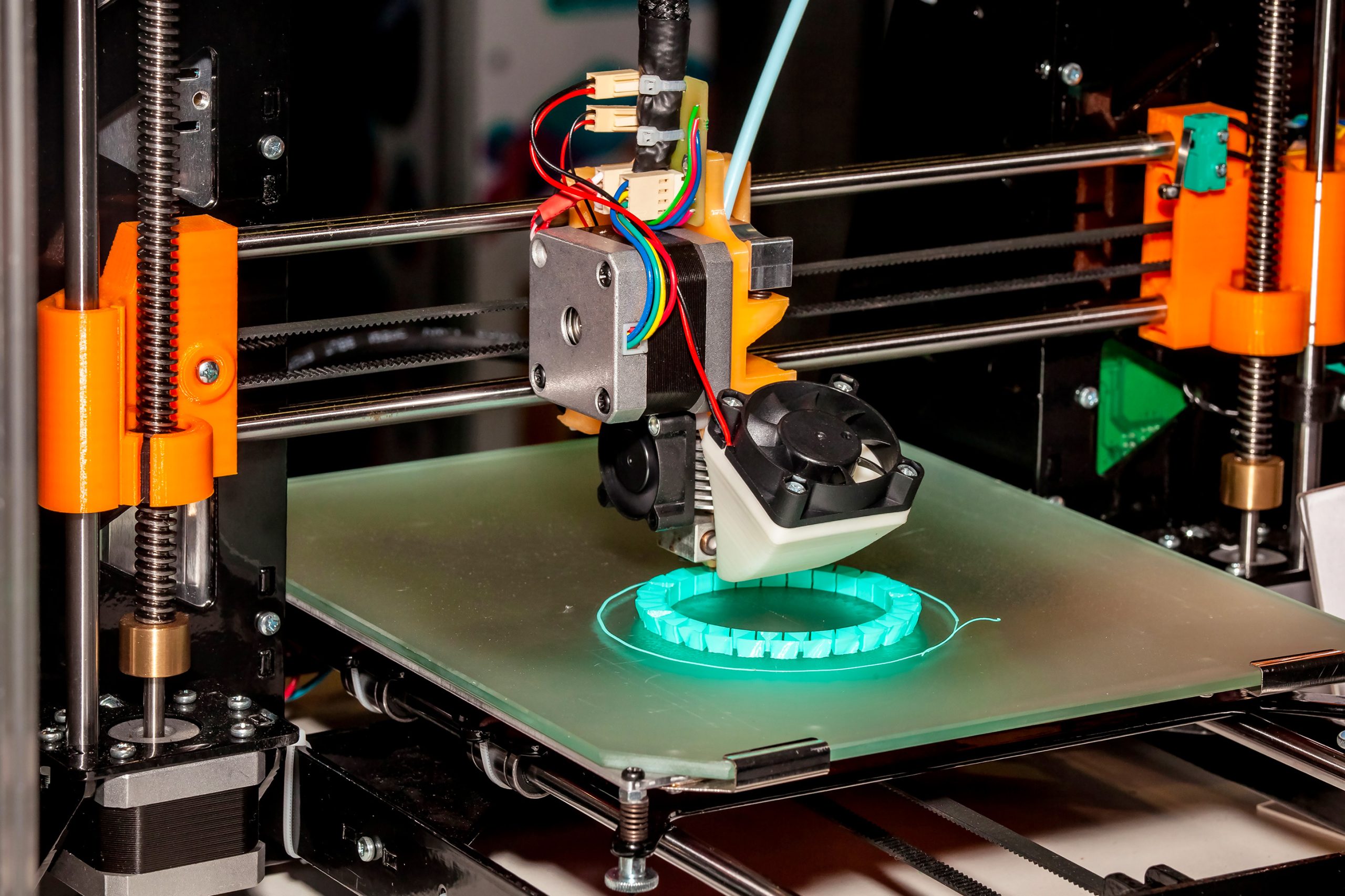
Before investing in an injection mold, companies often produce prototypes to validate the design.
Common prototyping methods include:
- 3D printing
- CNC machining
- soft tooling
- silicone molds
Prototypes allow engineers to verify:
- assembly compatibility
- ergonomics
- mechanical behavior
- dimensional accuracy
This step is particularly important for components used in complex assemblies such as office chairs or technical equipment.
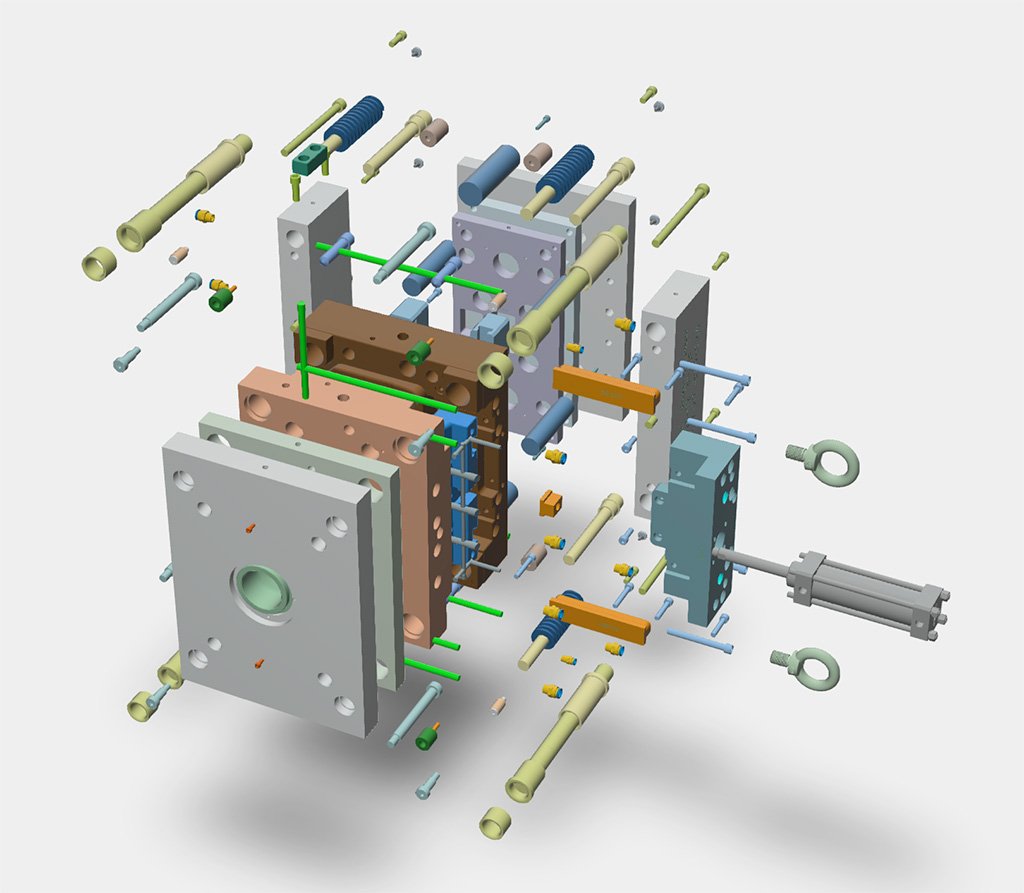
4. Injection Mold Design and Manufacturing
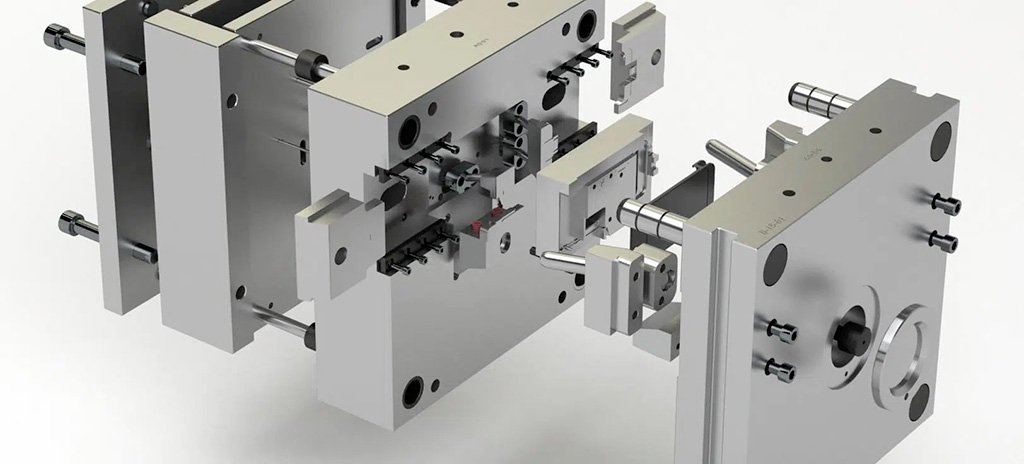
The injection mold is the most critical investment in the entire process.
A well-designed mold ensures:
- consistent part quality
- efficient cycle time
- long production life
- minimal maintenance
When working with Chinese mold makers, it is essential to define:
- mold steel type
- expected lifetime (number of cycles)
- hot runner or cold runner system
- cavity configuration
- cooling system design
Clear technical specifications prevent misunderstandings and ensure the mold meets the project requirements.
5. Mold Trials and Part Validation
Once the mold is completed, trial production begins.
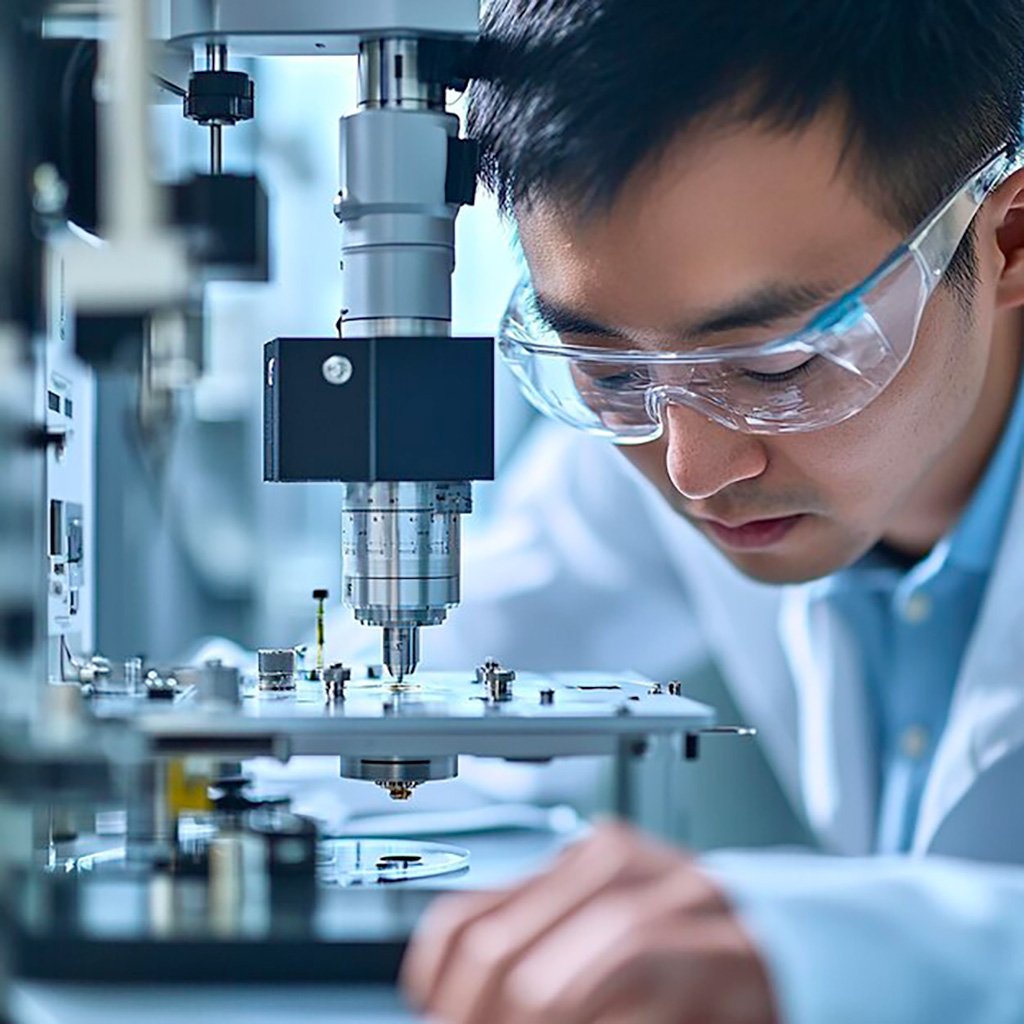
During mold trials, engineers analyze:
- dimensional stability
- surface quality
- warpage and shrinkage
- injection parameters
- cycle time
Several trial iterations are usually required before the mold reaches stable production conditions.
Dimensional measurements and functional tests confirm whether the part meets the original design specifications.
6. Quality Control and Production Preparation
Before starting mass production, a structured quality control process should be implemented.
Typical steps include:
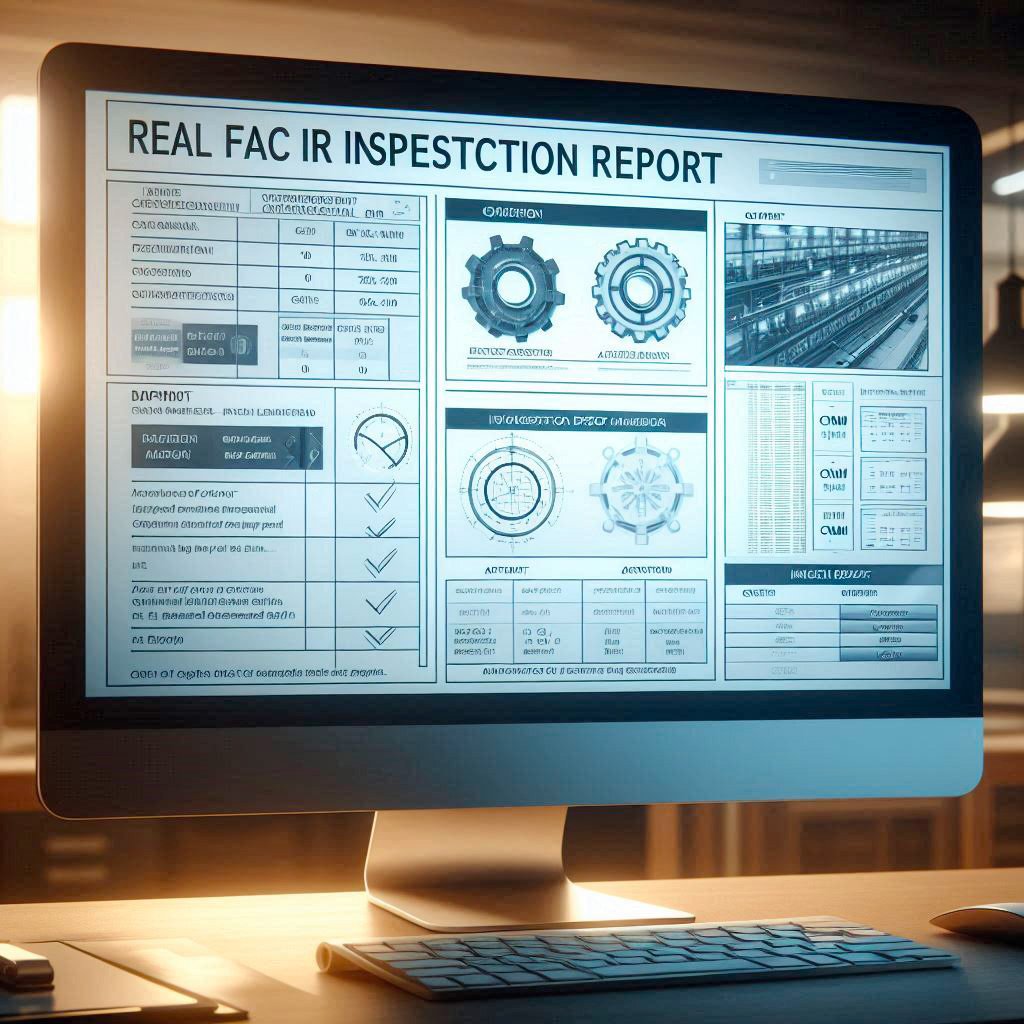
- first article inspection (FAI)
- dimensional inspection reports
- material certification
- assembly validation
- packaging validation
Production documentation should also be prepared, including:
- work instructions
- quality checklists
- control plans
These procedures ensure consistent quality during large-scale production.
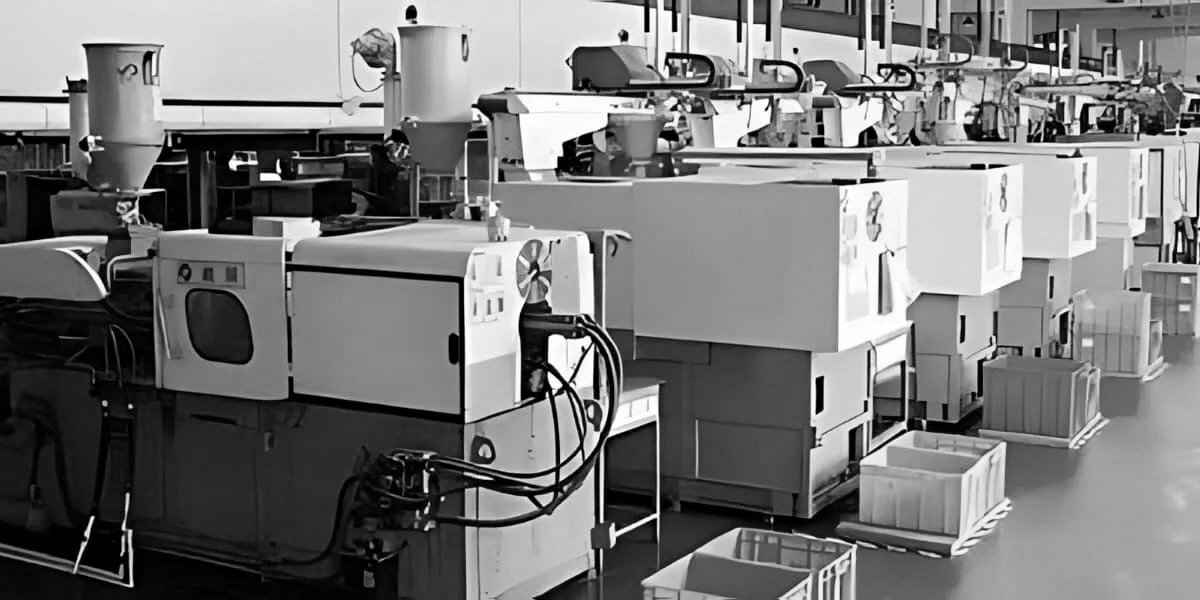
7. Mass Production and Supply Chain Management
After validation, the project moves to mass production.
At this stage, maintaining quality stability is essential.
This requires:
- regular process monitoring
- periodic mold maintenance
- batch inspection
- supplier communication
An experienced technical partner can help coordinate these activities and ensure production meets the required standards.
Conclusion
Developing a plastic product in China offers significant advantages in terms of manufacturing capabilities and cost efficiency. However, success depends on careful engineering, structured project management, and strict quality control.
From concept development to mass production, every stage plays a critical role in the final product performance.
Companies that follow a structured development process can significantly reduce risks and achieve reliable, cost-effective production.
If your company is developing new plastic components or planning production in China, working with experienced engineering partners can help ensure a smooth transition from concept to industrial production.
Contact our engineering team today for a confidential consultation on your next project.