
Overmolding and Insert Molding in China | NARD1
Overmolding and Insert Molding in China: A Practical Guide
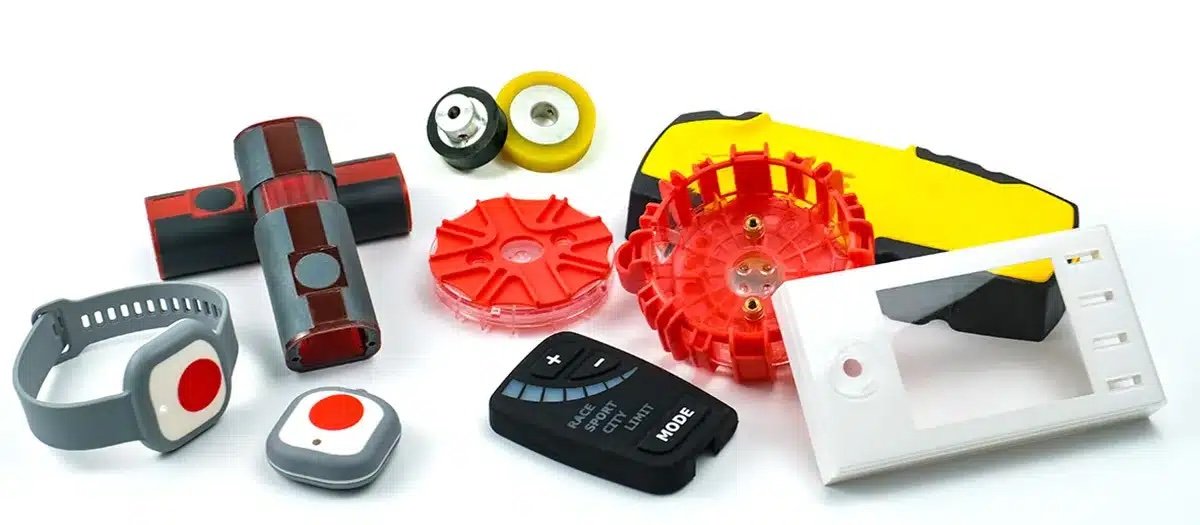
Overmolding and insert molding are two of the most powerful techniques available in plastic injection molding. Both allow manufacturers to combine multiple materials or components into a single, integrated part reducing assembly steps, improving product performance, and enabling design complexity that would be impossible with conventional single-material molding.
In 2026, demand for these processes is growing rapidly across automotive, medical, electronics, and consumer goods sectors. European companies sourcing production in China increasingly ask: which process is right for my product, and what do I need to know before tooling up?
This guide answers both questions with practical, engineering-focused clarity.
What Is Overmolding?
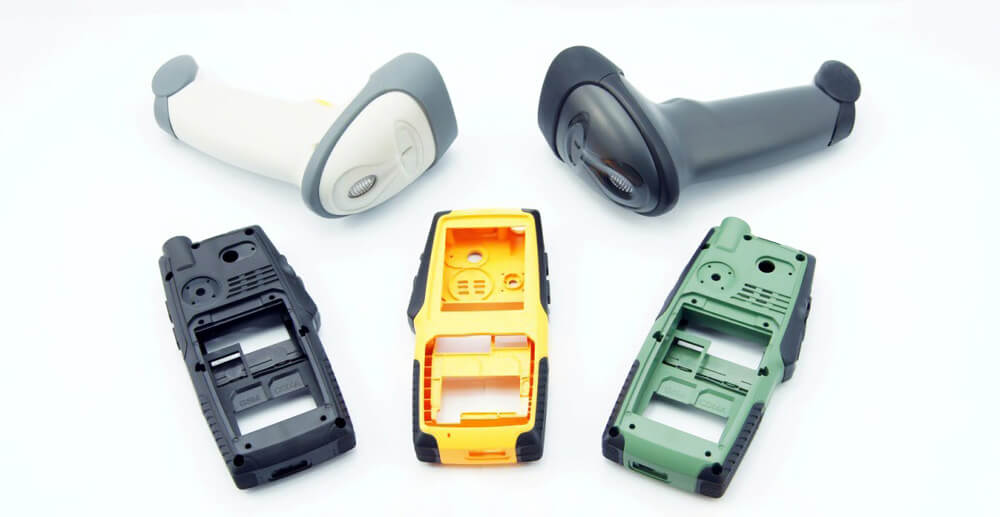
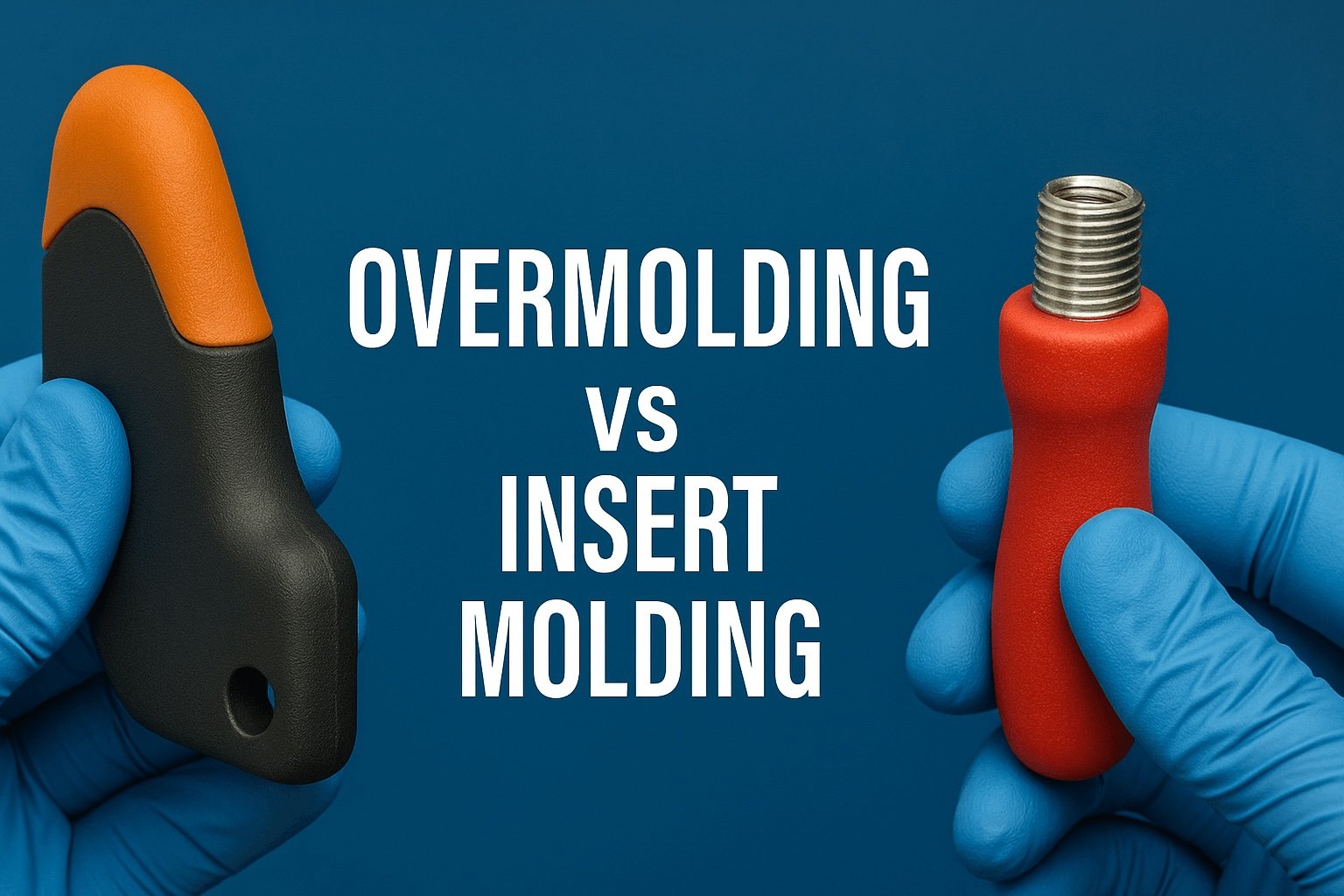
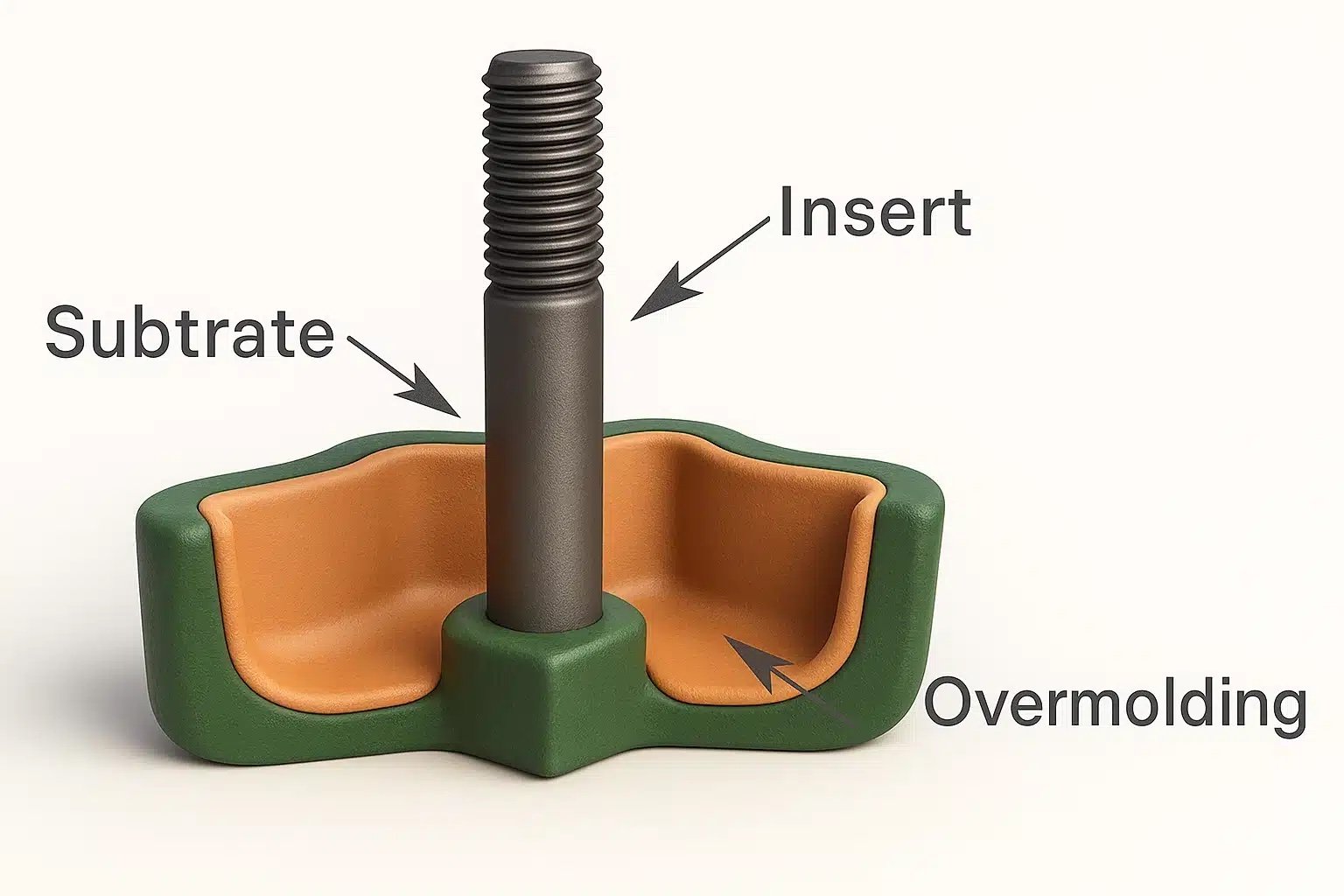
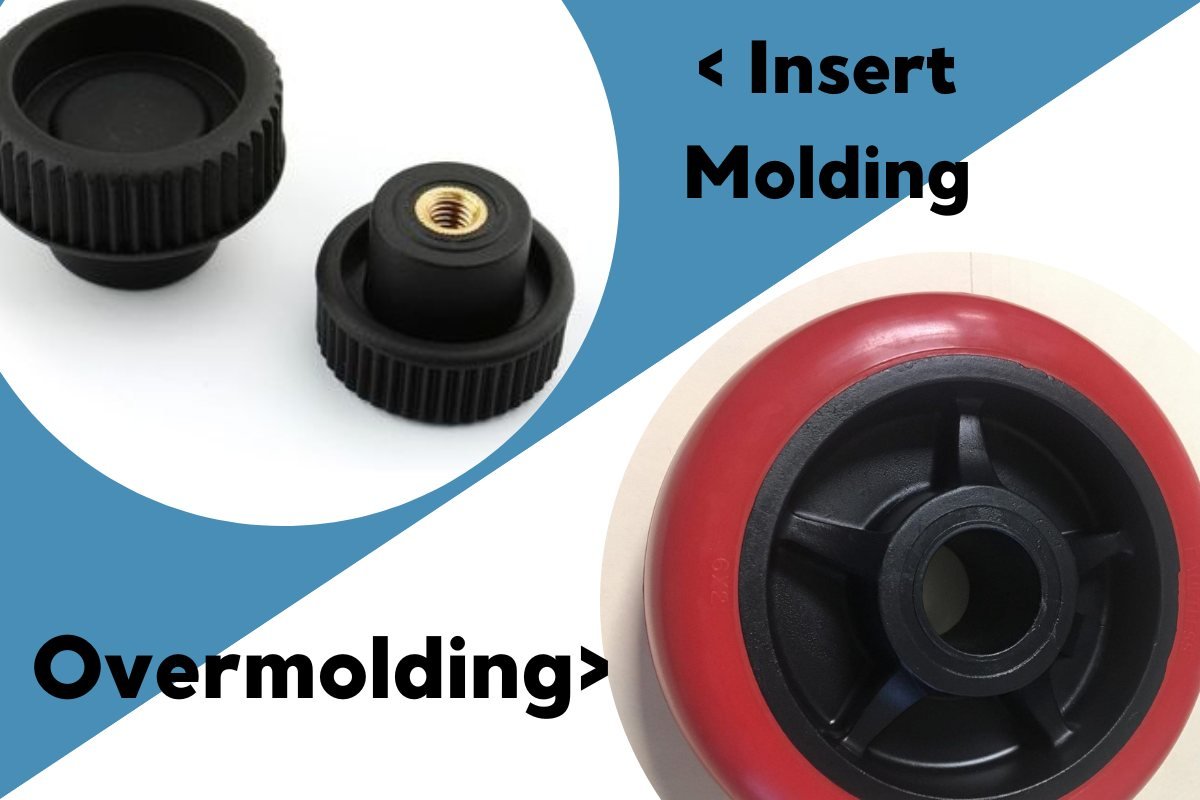
Overmolding is a two-step injection molding process in which a second material (typically a soft elastomer or TPE) is molded directly over a pre-existing substrate usually a rigid plastic part produced in the first shot.
The result is a single integrated component with two distinct material zones, bonded chemically or mechanically during the molding process.
Typical applications
- Soft-grip handles for power tools, medical instruments, and consumer electronics
- Seals and gaskets integrated directly into plastic housings
- Two-colour aesthetic components (automotive interior trim, buttons, knobs)
- Vibration-dampening mounts and protective covers
Key characteristics
- Process:
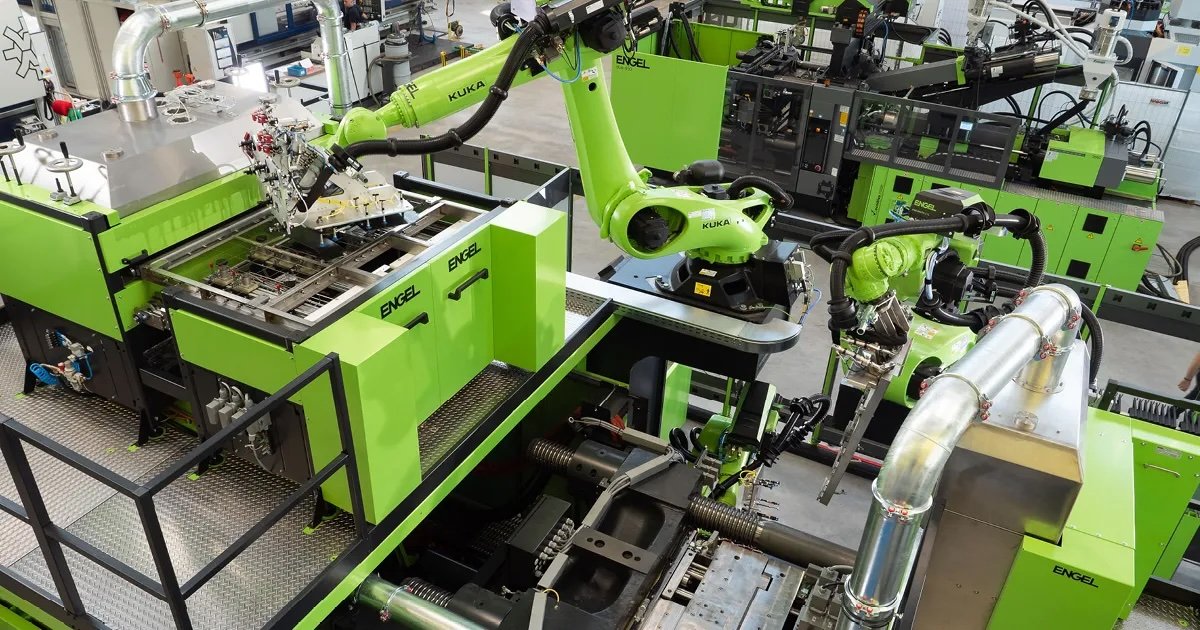
Two separate injection shots, substrate first, overmold second. Can be done in a single machine (2K molding) or with a robot transfer between two presses.
- Materials:
Substrate is typically ABS, PC, PA, or PP. Overmold is typically TPE, TPU, silicone, or rubber. Material compatibility is critical for chemical bonding.
- Tooling:
Two molds required (or one complex 2K mold). Higher tooling investment than standard injection molding.
What Is Insert Molding?
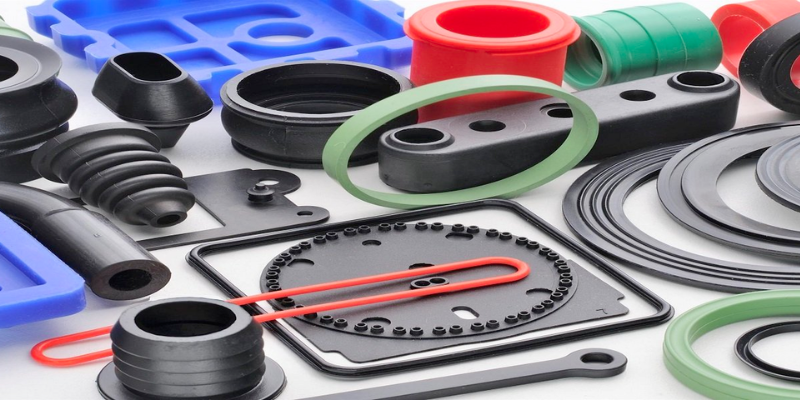
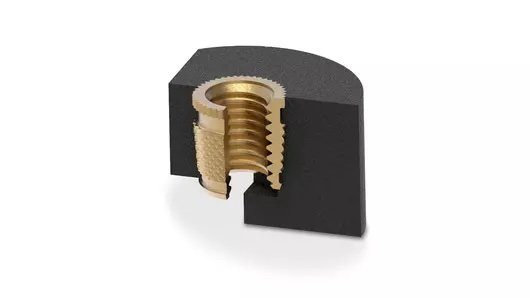
Insert molding is a single-shot process in which a pre-formed insert, typically metal, but also ceramic, glass, or another plastic, is placed inside the mold cavity before injection. The plastic material then flows around the insert, encapsulating it and locking it mechanically in place as it solidifies.
Typical applications
- Brass threaded inserts in plastic housings (electronics enclosures, medical devices)
- Metal pins and terminals in electrical connectors
- Reinforcing metal shafts or bushings inside plastic structural parts
- Surgical instruments with plastic-encapsulated metal cores
- Automotive sensors with integrated metal contacts
Key characteristics
- Process:
Single injection shot. Insert is placed manually or robotically into the mold before each cycle. Adds cycle time vs. standard molding.
- Materials:
Insert: typically brass, steel, aluminium, or stainless steel. Plastic: PA, PBT, PPS, PC, or any engineering-grade polymer compatible with the insert geometry.
- Tooling:
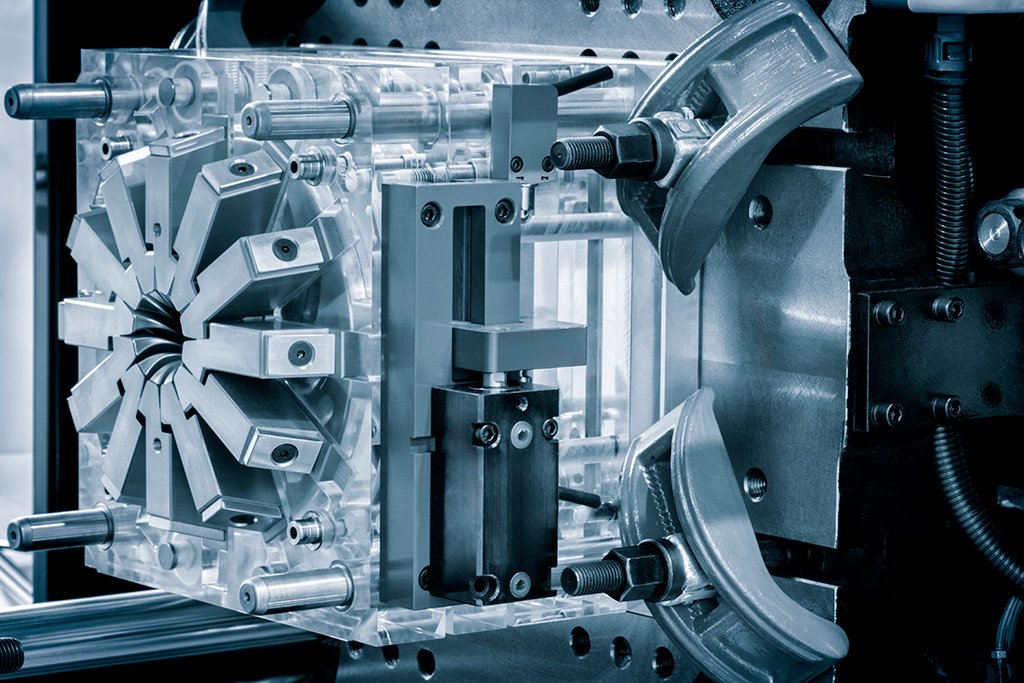
Single mold, but requires precise insert positioning features. Automation of insert placement is strongly recommended for volumes above 10,000 pcs/year.
Overmolding vs. Insert Molding: Key Differences
When to choose overmolding
- Your product requires a soft-touch surface, ergonomic grip, or vibration damping
- You need to combine two plastic materials in a single aesthetic or functional component
- You want to eliminate a secondary assembly step (gluing, pressing, fastening)
- Your volumes are high enough to justify the two-mold tooling investment
When to choose insert molding
- Your product requires metal threads, electrical contacts, or structural reinforcement embedded in plastic
- You need to achieve connection strength that plastic alone cannot provide
- You want to reduce part count and eliminate post-mold press-fit or ultrasonic welding operations
- Your insert geometry allows reliable automated placement in the mold
Design Rules for Overmolding
Getting overmolding right starts with the design phase. The most common failures — delamination, warpage, flash — are all rooted in design or material decisions made before tooling begins.
Material compatibility
- Chemical bonding requires matching polymer families: TPE over PP bonds well; TPE over PA requires specific grades
- Test bond strength (peel test) before committing to full tooling
- If chemical bonding is marginal, design mechanical interlocks (undercuts, holes, channels) into the substrate
Wall thickness and shrinkage
- Overmold layer should be uniform in thickness to avoid differential shrinkage and warpage
- Avoid overmolding over sharp corners of the substrate stress concentration causes cracking
- Minimum overmold thickness: typically 1.5–2.0 mm for TPE/TPU
Gate location
- Gate the overmold away from the bond interface whenever possible
- Avoid gating directly onto thin substrate walls injection pressure can deform the substrate
Design Rules for Insert Molding
Insert geometry
- Knurled or grooved inserts provide mechanical retention specify knurl pattern and depth clearly in drawing
- Inserts must be designed to resist rotation and axial pull-out after molding
- Maintain minimum plastic wall thickness around the insert: typically ≥ 1.0 mm for structural integrity
Insert placement and positioning
- Design positive locating features in the mold to hold the insert during injection critical for dimensional repeatability
- For automated placement: inserts must be feedable (no tangling, consistent orientation)
- Specify insert tolerances: tight enough to prevent flash under the insert, loose enough to allow placement
Thermal considerations
- Metal inserts can act as heat sinks pre-heating inserts (60–100°C) improves bonding and reduces residual stress
- Mismatch in thermal expansion between metal and plastic generates stress on cooling select plastic grades with appropriate elongation at break
Producing Overmolded and Insert Molded Parts in China: What to Evaluate
China offers competitive tooling costs and strong manufacturing capability for both processes. However, the quality of the output depends heavily on supplier selection, DFM review, and process validation areas where European companies frequently encounter problems when sourcing without technical support.
Key evaluation criteria when selecting a Chinese supplier
- Tooling experience:
Verify the supplier has built 2K molds or insert molds previously ask for reference parts and material test data.
- Material traceability:
Confirm that both substrate and overmold materials are certified grades from known suppliers (not unverified local compounds).
- Process control:
Ask for documented process parameters (injection speed, temperature, pressure) and evidence of scientific molding methodology.
- Quality validation:
Bond strength testing (for overmolding), pull-out force testing (for insert molding), and dimensional inspection should be part of the standard FAI protocol.
- DFM review:
A competent supplier will flag design issues before cutting steel. If a supplier quotes without a DFM review, treat this as a red flag.
NARD1: Your Technical Partner for Multi-Material Production in China
At DG NARD1, we support European companies through the full lifecycle of overmolding and insert molding projects in China, including:
- Material selection and compatibility analysis
- DFM review of substrate and overmold geometry
- Tooling specification and supplier qualification
- Process validation and first article inspection (FAI)
- Ongoing production quality control and supplier management
Our engineering team works directly with pre-vetted Chinese manufacturers, ensuring that design intent is preserved from CAD to final part and that compliance with European quality standards is maintained throughout production.
Conclusion
Overmolding and insert molding unlock product performance and design possibilities that single-material injection molding simply cannot achieve. In 2026, they are no longer niche processes they are standard tools in the toolkit of any product engineering team working on complex assemblies.
The key to success in both processes is front-loading engineering decisions: material compatibility, design for manufacturability, insert geometry, and supplier qualification. Getting these right before tooling is what separates a successful launch from an expensive rework.
Contact our engineering team today for a confidential consultation on your next project.