Plastic Materials Used in Injection Molding: A Practical Overview
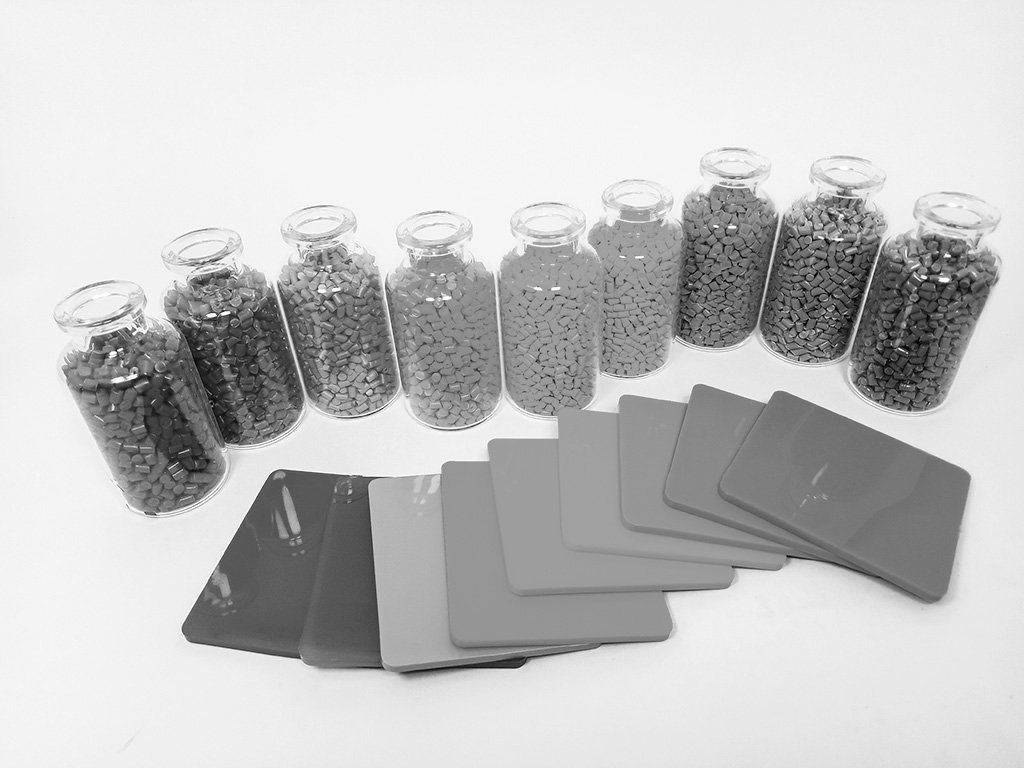
Plastic Injection Molding Materials Used in Injection Molding: A Practical Overview
Plastic injection molding is one of the most widely used manufacturing processes in modern industry. It is applied across multiple sectors, including automotive, furniture, medical devices, electronics, consumer goods, and products for children.
The choice of plastic material plays a crucial role in determining the final product’s performance, appearance, durability, cost, and regulatory compliance. Selecting the wrong material can compromise quality and significantly increase production risks.
In this article, we provide an overview of the main plastic injection molding materials used in injection molding, highlighting their key characteristics and typical applications.
Polypropylene (PP)
Polypropylene is one of the most commonly used plastics due to its versatility and cost-effectiveness.
Key characteristics
-
lightweight
-
good chemical resistance
-
flexible
-
competitive cost
Typical applications
-
furniture components
-
containers
-
non-structural automotive parts
-
consumer products
Polyamide (PA – Nylon, reinforced or unreinforced)
Polyamide, especially when reinforced with glass fiber (PA6-GF, PA66-GF), is used for structural and technical components.
Key characteristics
-
high mechanical strength
-
good thermal resistance
-
excellent wear resistance
Typical applications
-
automotive components
-
office chair bases
-
mechanical and industrial parts
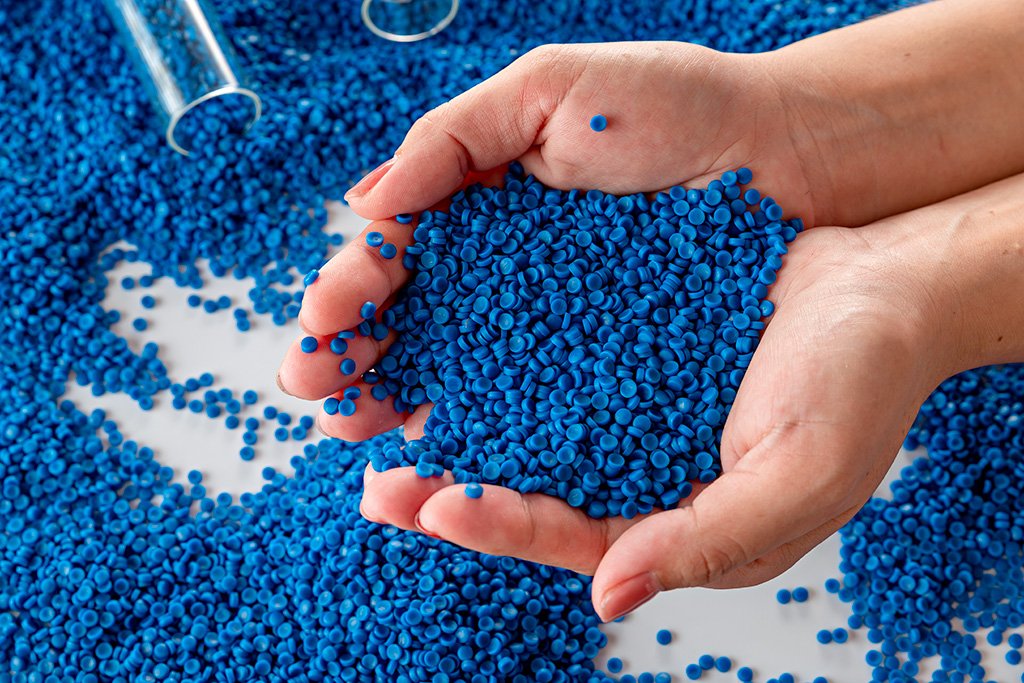
Polyethylene (PE – HDPE / LDPE)
Polyethylene is valued for its chemical resistance and ease of processing.
Key characteristics
-
excellent chemical resistance
-
good toughness
-
easy processability
Typical applications
-
containers and bottles
-
industrial components
-
technical consumer products
Polycarbonate (PC)
Polycarbonate is selected when transparency and impact resistance are required.
Key characteristics
-
very high impact resistance
-
transparency
-
good dimensional stability
Typical applications
-
transparent covers
-
medical devices
-
lighting components
-
technical enclosures
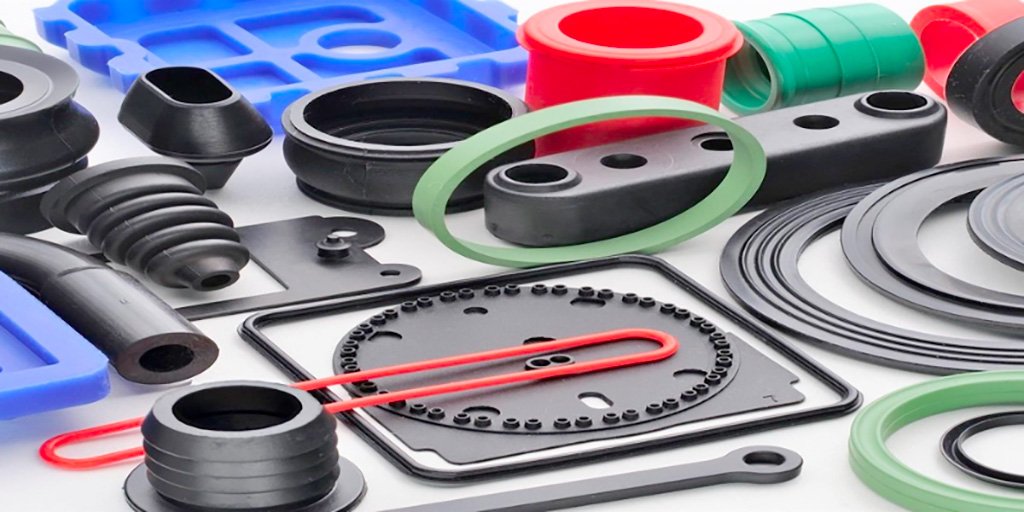
ABS (Acrylonitrile Butadiene Styrene)
ABS is widely used for products requiring a high-quality surface finish.
Key characteristics
-
excellent surface appearance
-
good impact resistance
-
easy to paint or chrome plate
Typical applications
-
electronics housings
-
automotive interior components
-
household appliances
-
design-driven products
POM (Acetal)
POM is ideal for precision components requiring low friction and dimensional stability.
Key characteristics
-
low coefficient of friction
-
high dimensional accuracy
-
excellent wear resistance
Typical applications
-
gears
-
mechanical components
-
moving parts
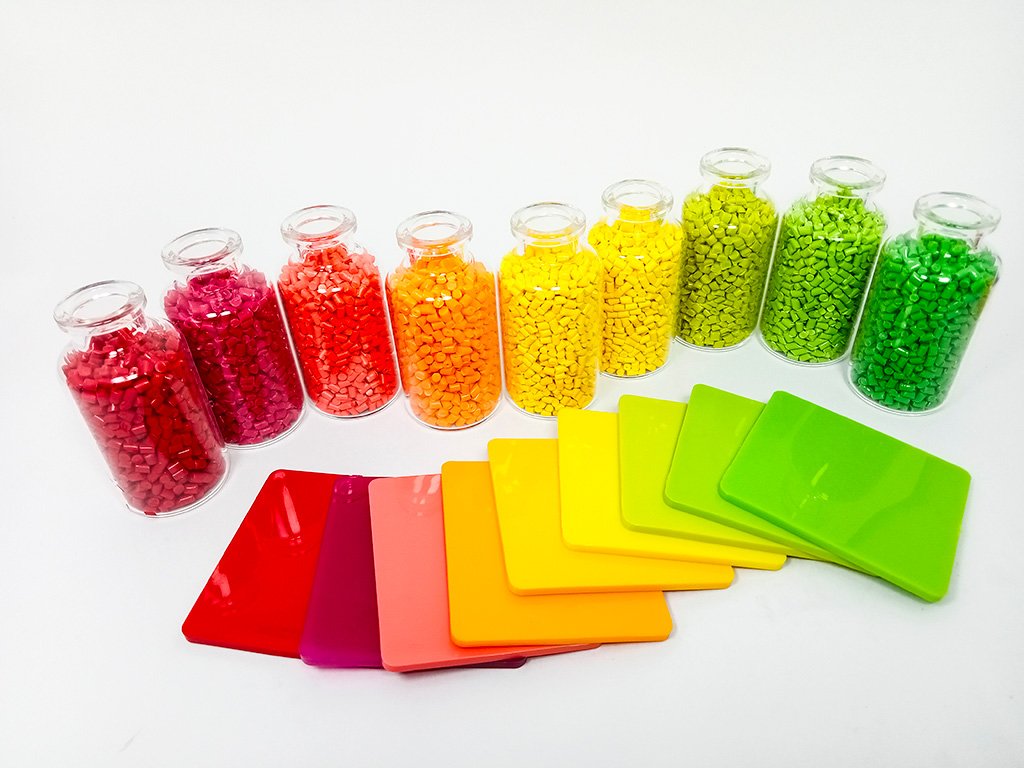
Engineering and High-Performance Plastics
In addition to standard polymers, there are advanced engineering plastics, such as:
-
PBT
-
PPS
-
PEEK
-
filled materials (glass fiber, mineral, carbon fiber)
These materials are used in high-performance applications where mechanical, thermal, or chemical resistance is critical.
Why Material Selection Is Critical
Choosing the wrong material can lead to:
-
premature failures
-
aesthetic defects
-
processing difficulties
-
increased production costs
For this reason, material selection must always be evaluated together with mold design, production process, and supplier capabilities.
NARD1 Service Limited: Your Ideal Partner for Manufacturing in China
Manufacturing in China offers significant advantages, but it requires technical expertise, control, and a structured approach.
NARD1 supports customers throughout the entire project lifecycle, including:
-
plastic material selection
-
technical design evaluation
-
mold and process definition
-
supplier selection and qualification
-
quality control and industrialization
With hands-on experience and a network of reliable manufacturing partners, NARD1 helps companies produce in China efficiently, safely, and competitively, minimizing risk and ensuring consistent quality.
Conclusion
Injection molding success is not driven by cost alone, but by correct technical decisions.
The right combination of:
-
suitable plastic material
-
properly engineered mold
-
controlled production process
is what turns a project into a successful industrial product.
With NARD1 as a technical partner, companies can approach manufacturing in China with confidence and clarity.
Contact our engineering team today for a confidential consultation on your next project.